Grid Connected Solar System in India: Benefits, Net Metering & Cost Breakdown
As electricity prices continue to rise across India, more homeowners, commercial buildings, and industries are shifting toward solar energy. Among the various solar solutions available, the grid connected solar system has emerged as the most popular and practical option. It allows users to generate their own electricity while staying connected to the utility grid, offering cost savings, energy efficiency, and long-term sustainability. At powertroniksolar, we help customers adopt reliable grid-connected solar solutions tailored to Indian conditions.
What Is a Grid Connected Solar System?
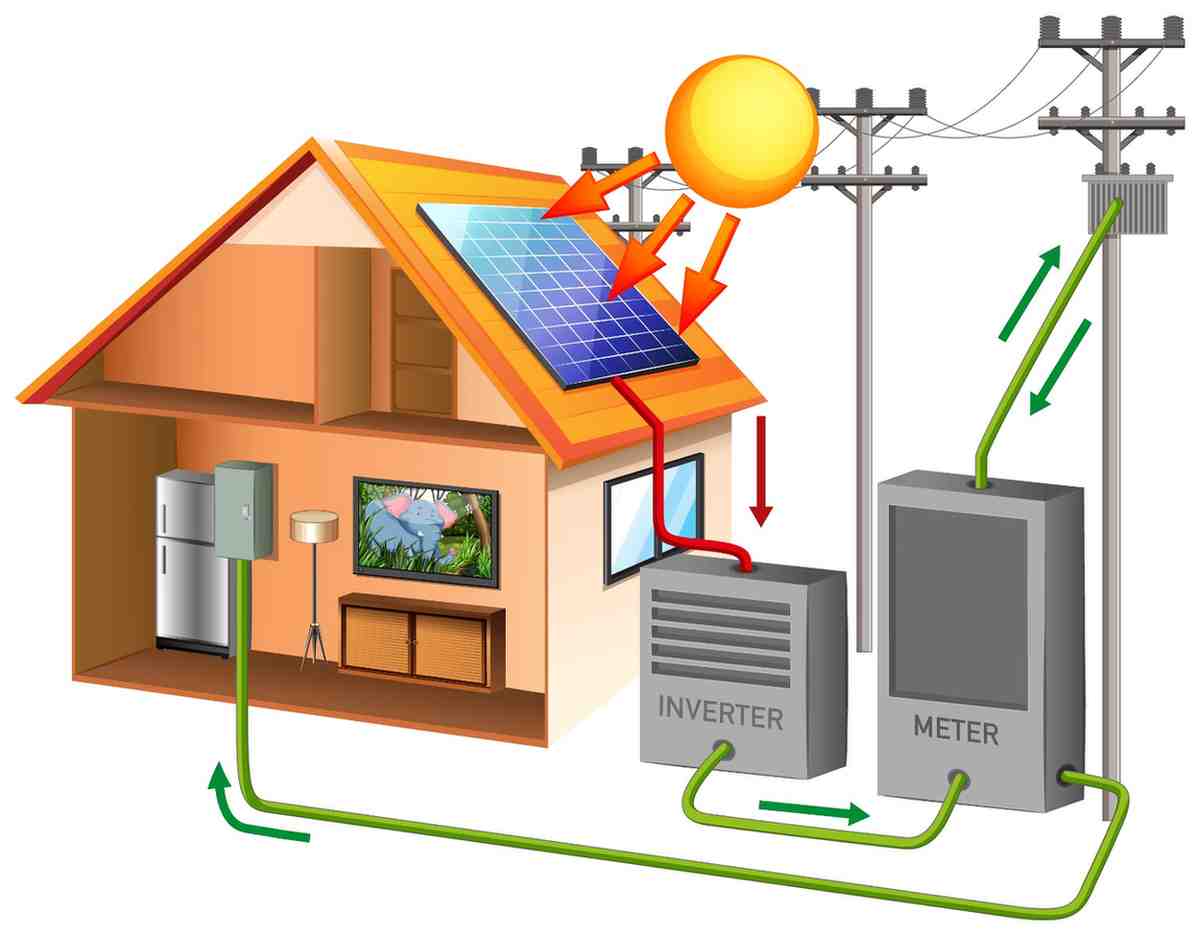
A grid connected solar system (also known as an on-grid solar system) is a solar power setup that is directly connected to the local electricity grid. Unlike off-grid systems, it does not require battery storage. Instead, any excess electricity generated by the solar panels is exported to the grid, while power can be drawn from the grid when solar production is low.
Key Components of a Grid Connected Solar System
- Solar panels to generate electricity from sunlight
- Grid-tied solar inverter to convert DC power to AC
- Bi-directional net meter for energy export and import tracking
- Utility grid connection for backup power
This system design keeps costs lower while ensuring uninterrupted power availability.
How Net Metering Works in Grid Connected Solar Systems
Understanding Net Metering in India
One of the biggest advantages of a grid connected solar system is net metering. Under net metering, surplus electricity generated by your solar panels is sent back to the grid. In return, you receive credits that are adjusted against your electricity bill.
Here’s how it works:
- Daytime: Solar panels generate electricity
- Excess power is exported to the grid
- Night or low sunlight: Power is imported from the grid
- Monthly bill reflects net energy usage
This makes net metering solar systems highly attractive for residential and commercial users looking to maximize return on investment.
Benefits of Grid Connected Solar Systems
1. Significant Reduction in Electricity Bills
A grid connected solar system can reduce electricity bills by 50% to 90%, depending on system size and consumption patterns. For businesses with high daytime power usage, the savings are even more substantial.
2. No Battery, Lower Maintenance Costs
Since grid connected systems do not rely on batteries, they have:
- Lower upfront costs
- Reduced maintenance
- Longer system lifespan
This makes them ideal for urban homes, offices, factories, and institutions.
3. Environmentally Sustainable Energy Solution
Using a grid connected solar system reduces dependence on fossil fuels and lowers carbon emissions. When combined with solar rooftop systems, it helps contribute to India’s renewable energy goals while promoting clean energy adoption.
4. Scalable and Future-Ready
Grid-connected systems are easy to upgrade. Additional solar panels can be added in the future as energy requirements grow, making it a flexible and future-proof solution.
Cost Breakdown of a Grid Connected Solar System in India
Approximate Installation Costs
The cost of a grid connected solar system depends on capacity, panel quality, inverter type, and installation complexity. Below is an indicative range:
| System Size | Approximate Cost (INR) | Suitable For |
|---|---|---|
| 1 kW | ₹55,000 – ₹70,000 | Small homes |
| 3 kW | ₹1.6 – ₹2.1 lakh | Medium households |
| 5 kW | ₹2.6 – ₹3.2 lakh | Large homes / offices |
| 10 kW+ | ₹5 lakh onwards | Commercial & industrial |
These costs can be further optimized through government incentives and efficient system design by powertroniksolar.
Payback Period
Most grid connected solar systems in India achieve payback within 3–5 years, after which the electricity generated is virtually free for the remaining system life of 25+ years.
Things to Consider Before Installation
1. Roof Space and Structural Strength
Adequate shadow-free roof area is essential for optimal system performance. Rooftop orientation and load-bearing capacity should be evaluated professionally.
2. Electricity Consumption Pattern
Grid connected solar systems deliver maximum benefit when most power is consumed during daylight hours.
3. Professional Design and Installation
Proper system sizing, inverter selection, and net metering approvals are critical. At powertroniksolar, we manage the complete process from site survey and approvals to installation and commissioning.
Conclusion: Is a Grid Connected Solar System Right for You?
A grid connected solar system is one of the smartest energy investments in India today. With benefits like lower electricity bills, net metering credits, minimal maintenance, and long-term sustainability, it offers both financial and environmental returns. When installed correctly and supported by quality components, it delivers reliable performance for decades.
If you’re considering switching to solar, powertroniksolar provides end-to-end grid connected solar solutions designed to maximize savings and ensure compliance with local regulations helping you move confidently toward a cleaner energy future.