How Solar Water Heating Systems Work: A Simple Guide for Indian Homes
Solar energy is no longer just a buzzword in India. With the country enjoying abundant sunshine throughout the year, solar water heating systems have emerged as an efficient, cost-effective, and environmentally friendly solution for meeting household hot water needs. Whether you are a homeowner in a bustling city or a resident of a small town, understanding how these systems work can help you make an informed decision for your home.
In this guide, we’ll break down the fundamentals of solar water heating systems, explain their types, components, working mechanism, installation tips, and answer common questions Indian homeowners have.
What Are Solar Water Heating Systems?
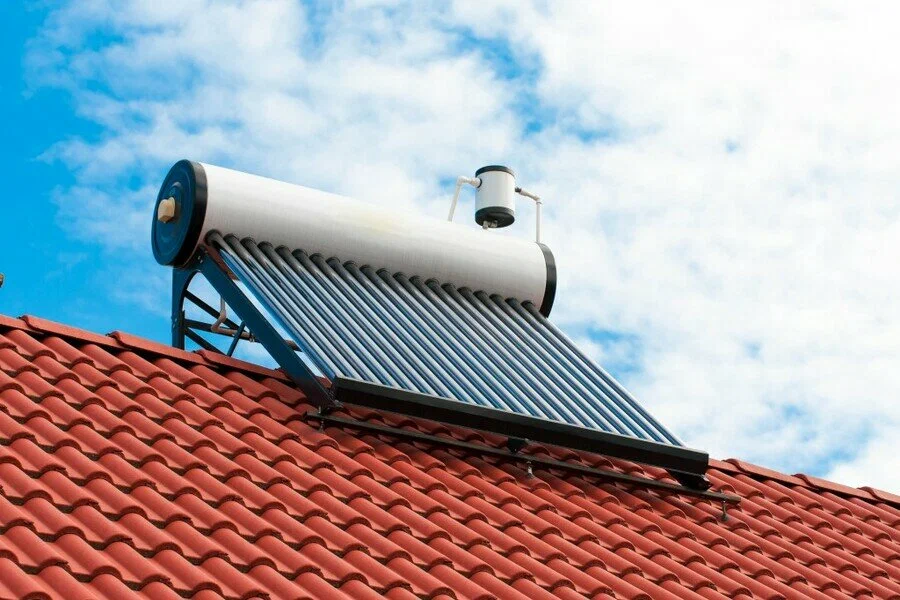
A solar water heating system (SWHS) is a technology that captures sunlight to heat water, eliminating or reducing the need for conventional energy sources like electricity or gas. These systems use solar collectors installed on rooftops or open areas exposed to sunlight to transfer heat to water stored in tanks.
By converting free solar energy into usable hot water, solar water heating systems help households:
- Reduce electricity bills.
- Minimize carbon footprint.
- Ensure a reliable supply of hot water throughout the year.
- Increase the value of their property.
Why Solar Water Heating Systems Are Ideal for Indian Homes
India receives 4–7 kWh/m²/day of solar radiation on average, making it one of the best countries for solar energy adoption. The government’s push for renewable energy through schemes like MNRE subsidies further encourages homeowners to switch to solar water heating systems.
Some benefits of using solar water heating systems in Indian homes include:
- Energy Savings: Reduce dependence on grid electricity or LPG.
- Eco-Friendly: Reduce greenhouse gas emissions.
- Low Maintenance: Most systems require minimal maintenance once installed.
- Durability: With quality components, these systems can last over 15–20 years.
Components of a Solar Water Heating System
A typical solar water heating system consists of several key components:
1. Solar Collectors
The solar collector is the heart of the system. It absorbs solar radiation and converts it into heat. There are two main types used in India:
- Flat Plate Collectors (FPC): These consist of an insulated box with a dark absorber plate and a transparent cover. They are ideal for moderate climates.
- Evacuated Tube Collectors (ETC): These consist of multiple glass tubes with vacuum insulation that reduces heat loss. ETCs are highly efficient and work well even on cloudy days.
2. Storage Tank
The storage tank holds the hot water heated by the solar collector. Tanks are typically made of stainless steel or copper to prevent corrosion and maintain water quality.
3. Heat Transfer Fluid
There are two main types of solar water heating systems based on the heat transfer mechanism:
- Direct/Integral Systems: Water flows directly through the solar collector and gets heated.
- Indirect/Closed-Loop Systems: A heat transfer fluid (like antifreeze or water) circulates through the collector and transfers heat to water in the storage tank via a heat exchanger.
4. Piping and Insulation
Pipes carry water or heat transfer fluid between the collector and storage tank. Proper insulation ensures minimal heat loss during circulation.
5. Controller and Pump (For Active Systems)
Active systems use a pump to circulate water or fluid and a controller to regulate flow and temperature. Passive systems rely on natural convection and don’t require electricity.
Types of Solar Water Heating Systems for Indian Homes
Solar water heating systems are categorized into active and passive systems, depending on whether they use pumps or natural circulation.
1. Passive Solar Water Heating Systems
Passive systems don’t use electricity and rely on natural convection (thermosiphon principle) to circulate water. Two common types are:
- Integral Collector Storage (ICS) Systems: Water is stored directly in the collector; ideal for small households.
- Thermosiphon Systems: Water circulates naturally from the collector to a storage tank located above the collector.
2. Active Solar Water Heating Systems
Active systems use pumps to circulate water or heat transfer fluid, offering better control and higher efficiency. Two subtypes include:
- Direct Circulation Systems: Water is pumped directly through the collector and tank.
- Indirect Circulation Systems: Fluid circulates through the collector and transfers heat to water via a heat exchanger.
How Do Solar Water Heating Systems Work?
The working of solar water heating systems is simple yet effective. Here’s a step-by-step explanation:
- Sunlight Absorption: Solar collectors capture sunlight and convert it into heat.
- Heat Transfer: The heat is transferred to water (direct system) or to a fluid that heats water in the storage tank (indirect system).
- Storage: The hot water is stored in insulated tanks, ready for household use.
- Supply: Hot water flows through taps or pipes whenever needed, either naturally or via a pump.
For passive systems, natural convection ensures circulation, while active systems use pumps and sensors to maintain consistent water temperature.
Factors Affecting the Efficiency of Solar Water Heating Systems
Several factors influence the performance of solar water heating systems in Indian homes:
- Collector Type: Evacuated tube collectors are more efficient than flat plate collectors, especially in cooler or cloudy regions.
- Sunlight Availability: Locations with high solar insolation (like Rajasthan, Gujarat, Maharashtra) perform better.
- Angle of Installation: Correct tilt of the solar collector (based on latitude) maximizes sunlight absorption.
- Storage Tank Size: Proper sizing ensures enough hot water is available during peak usage.
- Insulation: Well-insulated tanks and pipes reduce heat loss and maintain temperature.
- Maintenance: Regular cleaning of collectors and inspection of pipes ensures long-term efficiency.
Installation Tips for Indian Homes
- Choose the Right System: Evaluate your household’s hot water requirements, space availability, and budget. Passive systems are ideal for small families, while active systems suit larger households.
- Optimal Placement: Install solar collectors on a south-facing roof or open area to get maximum sunlight.
- Tilt Angle: The collector should be tilted equal to your latitude for year-round efficiency. For example, Mumbai (~19° N) requires a tilt of 19°.
- Proper Tank Positioning: In passive systems, tanks should be placed above collectors for natural circulation. For active systems, the location is flexible.
- Professional Installation: Engaging experienced installers ensures correct plumbing, insulation, and safety measures.
- Subsidy Check: Check for government subsidies under MNRE or state schemes to reduce the upfront cost.
Maintenance of Solar Water Heating Systems
Maintenance is relatively simple and usually includes:
- Cleaning the collectors: Dust and debris can reduce efficiency.
- Checking pipes and insulation: Ensure no leaks or heat loss.
- Inspecting the storage tank: Check for rust, sediment, or corrosion.
- Monitoring performance: Ensure water reaches the desired temperature; call technicians for major repairs.
Most solar water heating systems last 15–20 years with proper maintenance.
Common Myths About Solar Water Heating Systems
- They don’t work on cloudy days.
Modern evacuated tube systems can still heat water even in low sunlight. - Maintenance is high.
Maintenance is minimal compared to the savings and lifespan of the system. - The initial cost is too high.
Government subsidies and energy savings often offset the upfront investment within 3–5 years. - Tanks take too much roof space.
Compact, vertical tanks or integrated systems reduce space requirements.
Conclusion: Why Invest in a Solar Water Heating System?
Investing in a solar water heating system is not just about reducing electricity bills. It’s about adopting a sustainable lifestyle, contributing to environmental conservation, and ensuring a reliable supply of hot water all year round. With proper planning, installation, and maintenance, these systems offer long-term benefits for Indian households.
At Powertroniks, we specialize in providing high-quality solar water heating systems designed specifically for Indian homes. We understand the unique challenges faced by households, from varying sunlight conditions to hot water demand for families of different sizes. Our team ensures:
- Efficient and durable solar water heating solutions.
- Expert installation and after-sales support.
- Customized systems tailored to your home and budget.
We take pride in helping Indian families transition to clean energy, save on electricity bills, and embrace a greener future. Let us help you make the switch to solar and experience the comfort of reliable, eco-friendly hot water every day.