Transforming Commercial Energy with Trusted Grid-Tied Solar Suppliers
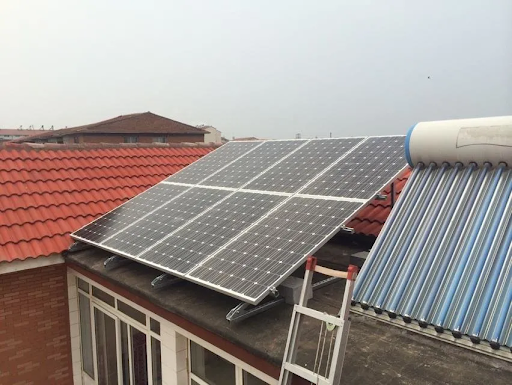
As businesses navigate increasing electricity costs, fluctuating energy demands, and sustainability targets, the shift towards renewable power solutions is no longer optional — it’s strategic. One of the most effective ways commercial enterprises can unlock energy savings and strengthen resilience is by partnering with specialist grid tied solar system suppliers like Powertronik Solar., who understand the nuances of industrial-scale solar integration.
What Is a Grid Tied Solar System and Why It Matters for Business?
A grid tied solar system — also known as an on-grid solar setup — connects a photovoltaic (PV) array directly to the public electricity grid. Unlike standalone off-grid alternatives that rely heavily on energy storage, grid tied systems work in harmony with existing utility infrastructure. They generate clean solar power during peak sunshine hours and allow excess energy to flow back into the grid, reducing net energy costs for the business.
From an operational perspective, this setup means:
- Businesses generate electricity on-site.
- Surplus energy can be exported to the grid under net-metering schemes.
- When solar output dips (e.g., at night), energy is seamlessly drawn from the grid.
This balance between self-generation and grid dependency enhances reliability without the capital and maintenance costs of large battery banks — a compelling proposition for commercial decision-makers.
Delivering Commercial Value Beyond Energy Generation
For B2B buyers, a grid tied solar system is much more than a power source; it’s a strategic asset. Here’s how:
1. Measurable Long-Term Cost Savings
Commercial electricity tariffs have a direct impact on operating margins. Solar power provides a predictable cost base, reducing reliance on volatile grid electricity prices. Through efficient system design and deployment, organisations can mitigate power cost escalation — often achieving payback within a few years when net metering credits are factored in.
2. Regulatory Compliance and Green Credentials
Sustainability is increasingly embedded in corporate procurement policies, ESG reporting, and investor evaluations. Adopting grid tied solar solutions signals a measurable reduction in carbon footprint, aligning commercial operations with climate-focused frameworks. Partnering with suppliers versed in local compliance and regulatory requirements ensures that solar installations meet all standards safely and efficiently.
3. Low Maintenance & Scalability
Unlike hybrid or off-grid alternatives that demand regular battery maintenance and periodic part replacements, grid tied systems are inherently simpler — with fewer components to service over the lifecycle. This translates to minimal downtime and predictable O&M expenditure. Moreover, modular solar installations can be scaled up in phases as energy needs grow, future-proofing the investment.
The Role of a Trusted Supplier in Maximising ROI
Selecting a reliable grid tied solar system supplier is critical for commercial outcomes. It’s not just about hardware — it’s about end-to-end solutions that include:
- Detailed Site Assessment & System Design: Accurate analysis of energy loads, roof or land conditions, and solar irradiance ensures capacity is optimised.
- Engineering & Installation Expertise: Commercial rooftops and plants have unique electrical and safety considerations that demand seasoned engineering teams.
- Regulatory Guidance: Navigating net-metering approvals, interconnection agreements, and utility compliance adds complexity; experienced suppliers simplify the process.
- After-Sales Support: Long-term performance monitoring, preventive maintenance, and warranty management drive sustained energy performance.
Powertronik Solar, for instance, has built a reputation as a trusted partner for grid tied solar solutions tailored to Indian commercial and industrial environments — blending local insights with performance excellence.
Key Considerations for B2B Buyers Before Deployment
When evaluating grid tied solar suppliers and systems, commercial buyers should prioritise:
- Total Cost of Ownership (TCO): Understand both upfront investment and long-term operating costs.
- Return on Investment (ROI): Evaluate payback timelines based on energy offset and net metering policies.
- Supplier Track Record: Look for proven installations, client testimonials, and case studies.
- Technology & Warranty: Ensure panels, inverters, and balance-of-system components come with robust warranties.
Conclusion: Strategic Energy Independence with Commercial Impact
Grid tied solar systems offer a compelling pathway for commercial enterprises to reduce operating costs, enhance sustainability performance, and future-proof energy strategy. Supported by experienced suppliers like Powertronik Solar, businesses can unlock measurable energy savings while contributing to broader environmental goals.